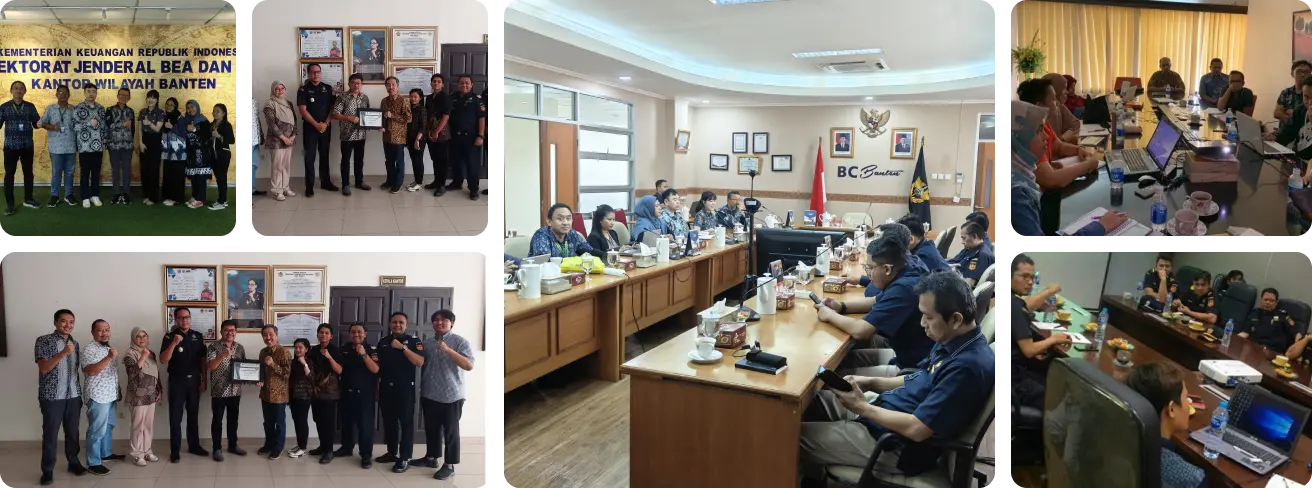
In recent months, the Indonesian government has introduced new Customs regulations that have a significant impact on Bonded Zones and Special Economic Zones (SEZs). These regulations are designed to improve efficiency and transparency in the import-export process, while strengthening customs oversight. With these changes, business actors in the international trade sector are expected to better understand the new provisions, in order to optimize their business operations in Indonesia.
The latest regulations govern various aspects related to Bonded Zones and SEZs, including updates to Customs service systems, streamlining procedures, and providing fiscal facilities such as duty exemptions and reductions. The implementation of the Online Customs Process (OCP) system also helps speed up administrative processes and reduce bureaucratic barriers. Business actors who wish to take advantage of these facilities must ensure compliance with new regulations, including fulfillment of increasingly stringent documentation requirements.
In addition, the development of logistics infrastructure in Indonesia is also an important part of enhancing operational efficiency in Bonded Zones and SEZs. With facilities such as Bonded Warehouses and Bonded Logistics Centers (PLB), import-export activities are expected to run more smoothly. Therefore, the government continues to encourage the use of technology in the customs system, as well as improve coordination between government agencies and industry players to create a better trade ecosystem in Indonesia.